
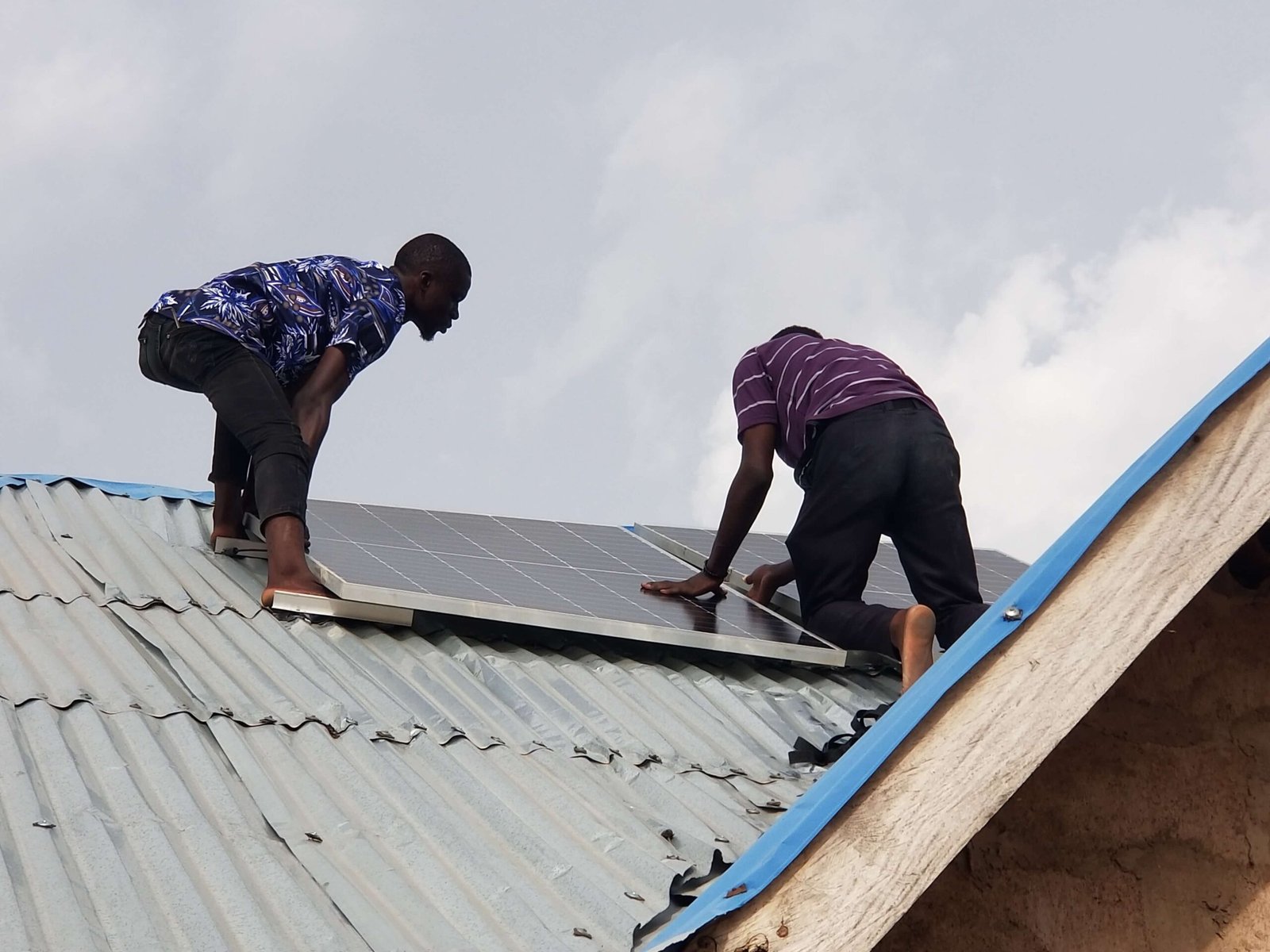
Abuja is a planned city with wide roads, organised districts and many modern homes, yet power interruptions, generator noise and rising fuel costs are still part of daily life for many households. From Maitama, Asokoro and Wuse 2 to Gwarinpa, Lugbe, Kubwa and Lokogoma, more homeowners are asking the same question: is solar installation in Abuja the answer?
For many properties, it can be. A well-designed solar system can power your essential appliances, reduce your reliance on petrol and diesel generators, and give you quiet, fume-free electricity. But the results depend on correct sizing, quality equipment and proper installation, and Abuja’s weather adds a few considerations of its own.
This guide explains how home solar systems work, how to size one, what affects the cost and how to choose an installer in Abuja. At PA DigiTech Solar, we design and install solar panels, inverters and battery systems for homes and businesses, and you can reach us on 07068853073.
Why Abuja Homeowners Are Turning to Solar Power
Abuja has a mix of large detached houses, terraces, estates, serviced apartments, embassies’ neighbouring residences, offices and fast-growing satellite towns. The reasons people go solar are often practical:
- Less generator dependence. Fuel, servicing and repairs add up month after month.
- Quiet, clean power. In estates and residential districts where peace and quiet matter, generator noise and fumes are a constant complaint.
- Backup for work and business. Many Abuja residents work remotely, run consultancies or operate small businesses from home, so a power cut can mean lost productivity.
- Cooling needs. The hot dry months push up air conditioner and fan use, which makes proper system planning essential.
- Appliance protection. A good inverter system with proper protection can help shield sensitive electronics from unstable supply.
- A longer-term investment. Quality solar equipment is built to last, so you are investing in your own power source rather than only buying fuel.
What Does a Home Solar System Include?
A complete solar installation usually consists of:
Solar panels. They convert sunlight into DC electricity. Output depends on panel capacity, sunlight, angle, shading and mounting quality.
Solar inverter. It converts DC electricity into AC for your appliances and manages power flow between panels, batteries and, in hybrid systems, the grid or a generator. Its capacity must match your load.
Solar batteries. They store energy for evenings, nights and low-sunlight periods. Lithium batteries are popular, but the best option depends on budget and usage.
Mounting structures. They secure the panels on a roof or ground frame and must withstand wind and heavy tropical rain.
Protection and electrical components. Circuit breakers, isolators, surge protection, earthing and correctly rated cables protect the system and your home.
Inverter and Battery, Hybrid or Full Solar: What Should You Choose?
People searching for solar installation in Abuja often use several terms for what are actually different setups:
- Inverter and battery system. It stores power from the grid or a generator and supplies it during outages. It suits you if backup power is your main goal.
- Complete solar system. Panels, inverter and batteries generate and store your own electricity from sunlight.
- Hybrid system. It combines solar, battery storage and the grid or generator, drawing from whichever source is available.
If your budget is limited, you can start with an inverter and battery system designed so panels can be added later. A professional assessment will tell you which option fits.
How to Size a Solar System for Your Abuja Home
Sizing is the most important step in any installation. A “5kVA system” that works for a neighbour may not suit you, because two homes of the same size can have very different loads. Abuja homes often have more air conditioners, water systems and security equipment than owners first account for.
A proper assessment considers:
- The appliances you want to power, such as lights, fans, TVs, refrigerator, freezer, laptops, routers and security equipment
- The power rating of each appliance in watts
- How many hours each runs per day
- Which appliances run at the same time, which determines inverter size
- How many hours of backup you want, which determines battery capacity
Give extra attention to:
- Air conditioners. They are often the biggest load in an Abuja home, especially in the hot months.
- Water pumps and booster pumps. Many homes and estates rely on them, and they draw high power when starting.
- Electric cookers, ovens, irons and water heaters. They use a lot of power and can overload an undersized system.
- Security and CCTV equipment. These run around the clock and add to overnight battery demand.
Tip: Before contacting an installer, list your appliances, their ratings (usually printed on the label) and how long you use them each day. This leads to a more accurate recommendation and quotation.
Solar Installation for Different Property Types in Abuja
Detached houses and villas (Maitama, Asokoro, Jabi, Katampe). These usually have larger loads, including multiple air conditioners, and may need a higher-capacity inverter, more panels and a larger battery bank. Roof design and aesthetics often matter too.
Duplexes and estate homes (Gwarinpa, Lokogoma, Life Camp, Lifecamp, Apo). Many estates have rules on where panels and equipment may be placed, so check with your estate management first.
Terraces and semi-detached houses. Roof space can be limited, so designs often focus on essential loads and efficient panel placement.
Flats and serviced apartments. Roof access is often shared, and approval from the landlord or facility manager is usually required.
Satellite towns and developing areas (Lugbe, Kubwa, Karu, Gwagwalada, Bwari). Where grid supply is less consistent, a properly sized solar and battery system can make a bigger difference to daily life.
Offices, shops, schools, clinics and hotels. Commercial properties need a design based on how electricity is used throughout the day.
Abuja-Specific Factors a Good Installer Should Consider
Abuja’s climate and layout shape how a solar system should be designed:
- Distinct wet and dry seasons. The rainy season brings more cloud, so output can be lower on overcast days. Battery sizing and system design should reflect your backup expectations.
- Harmattan dust. During the dry season, dust settles on panels and reduces efficiency, so regular cleaning matters.
- Thunderstorms and lightning. Abuja has frequent storms during the rainy season. Proper earthing, surge protection and a well-planned installation are essential, not optional extras.
- Heat. Hot weather affects equipment, so inverters and batteries need a well-ventilated, shaded, dry location.
- Strong rain and wind. Mounting structures must be secure and well fixed to the roof or frame.
- Roof types and building finishes. Abuja has many modern roofs and architectural styles, and each needs a proper structural check before panels are mounted.
- Estate regulations and security. Some estates control the appearance and location of panels and equipment, and security of the equipment area matters too.
How Much Does Solar Installation Cost in Abuja?
There is no single price, because the right system differs from home to home. The main cost factors are:
- Inverter capacity
- Number and wattage of solar panels
- Battery type and capacity
- Mounting structures and cabling
- Protection equipment such as breakers, surge protection and earthing
- Installation complexity and property type
- The backup duration you want
Longer backup needs more battery storage, and batteries are often the largest part of the total cost. For homes that run several air conditioners, the size of the system and the cost can rise quickly, so it helps to be clear about which appliances really need to run on solar.
The best approach is a quotation based on your actual appliances and usage rather than a generic package advertised online.
Not sure what size system you need? Call PA DigiTech Solar on 07068853073 and we will help you work out a suitable solution for your budget.
The Solar Installation Process: What to Expect
A professional installer should follow clear steps:
- Consultation and load assessment. You list your appliances and explain what you want from the system.
- System design and sizing. The inverter, battery and panel capacities are calculated.
- Equipment selection. Components are chosen for compatibility, quality, warranty and future expansion.
- Site inspection. The roof or ground area, shading, cable routes and equipment location are checked.
- Installation. Panels, inverter, batteries and protection devices are mounted and connected.
- Testing and commissioning. Every part of the system is tested before handover.
- Handover and guidance. You learn how to monitor the system and what to do if there is a fault.
Common Solar Installation Mistakes to Avoid in Abuja
- Buying equipment before assessing your load. The result is often a system that is too small or needlessly expensive.
- Underestimating air conditioner demand. ACs can dominate the load, so plan them in from the start.
- Choosing an inverter by size alone. Battery and panel capacity must be matched to it.
- Skipping lightning and surge protection. In a storm-prone city, this can be costly.
- Ignoring future needs. If you plan to add an AC, freezer or pump, include it in the original design.
- Going for the cheapest installation. Poor wiring, weak protection and bad earthing cause failures and safety risks.
- Comparing quotes on price alone. Two similar-looking quotes can hide very different equipment and protection components.
- Ignoring estate rules. Check requirements before buying or installing.
How to Choose a Solar Installer in Abuja
Before hiring anyone, check these points:
- Experience and previous work. Ask for photos or details of past installations.
- Willingness to assess your needs. Be cautious about anyone who quotes without asking about your appliances.
- Clear explanations. A good installer explains the design in plain language.
- A detailed quotation. It should list equipment, capacities, protection components and what the installation covers.
- Warranty and after-sales support. Know who to call if something goes wrong.
- Workmanship. Neat cable management, proper earthing and correct protective devices indicate careful work.
Why Choose PA DigiTech Solar for Solar Installation in Abuja?
At PA DigiTech Solar, we believe the right solar system is the one designed around how you actually use electricity. We help homes and businesses with:
- Load assessment and system sizing
- Solar panel installation
- Inverter installation
- Solar battery setup
- Complete solar system installation
- System testing and customer guidance
If you are in Abuja or the FCT and want to discuss a solar installation, you can talk through your requirements with us before committing to anything.
Call PA DigiTech Solar on 07068853073 to discuss your solar installation requirements.
Is Solar Power Worth Installing in Abuja?
It depends on your situation. If you face frequent outages and spend heavily on generator fuel, solar can significantly reduce that dependence. If you work from home or run a business, reliable power can be worth more than the fuel savings alone.
Planning is what makes the difference. The cheapest system is not always the most suitable, and the biggest is not always the best. The goal is the right system for your needs and budget.
Frequently Asked Questions About Solar Installation in Abuja
How much does solar installation cost in Abuja?
The cost depends on inverter capacity, number of panels, battery type and capacity, and installation requirements. A proper assessment is needed for an accurate quotation. Call PA DigiTech Solar on 07068853073 to get started.
What size solar system do I need for my house in Abuja?
It depends on your appliances, their power ratings, how long you use them and the backup time you want, not the number of rooms.
Can solar power run air conditioners in Abuja?
Yes, if the system is designed for it. Air conditioners use a lot of power, so they must be included when sizing the inverter, panels and batteries.
Can I run my whole house on solar?
It is possible with a properly sized system, but it may need a larger inverter, more panels and a bigger battery bank. Many homeowners start with essential appliances and expand later.
Will solar work during the rainy season in Abuja?
Yes, but output is lower on heavily overcast days. A good design accounts for this with suitable battery capacity and, if needed, a grid or generator backup.
Is solar safe during thunderstorms?
A properly installed system with correct earthing and surge protection is designed to reduce electrical risks. Ask any installer how they handle lightning and surge protection.
Does harmattan dust affect solar panels?
Yes. Dust can reduce panel output, so occasional cleaning during the dry season helps maintain performance.
How many solar panels do I need for my home?
This depends on your energy consumption, panel wattage, inverter design and available roof space.
How long do solar batteries last?
Lifespan depends on the battery type, quality, usage and how well the system is set up. Lithium batteries are generally known for a longer service life than many traditional types.
How long does a home solar installation take?
It varies with system size and property complexity. A straightforward residential installation is usually quicker than a large commercial one.
Do solar systems need maintenance?
Yes. Regular inspection helps catch problems early, and panels may need cleaning, especially after dusty periods.
Do I need permission to install solar panels in an Abuja estate or rented property?
If you rent or live in a managed estate or shared building, get approval from the landlord, management or estate association first.
How do I get a solar installation quotation in Abuja?
Prepare a list of the appliances you want to power, then call PA DigiTech Solar on 07068853073 to discuss your needs.
Conclusion
Solar installation in Abuja can give your home dependable, quiet and generator-free power, but the results depend on proper planning, correct sizing, good lightning and surge protection, and quality workmanship. Start with your real needs, choose a transparent installer and compare what each quotation includes, not just the price.
Ready to take the next step? Speak with PA DigiTech Solar on 07068853073 and get professional guidance on the right solar panels, inverter and battery system for your home.