
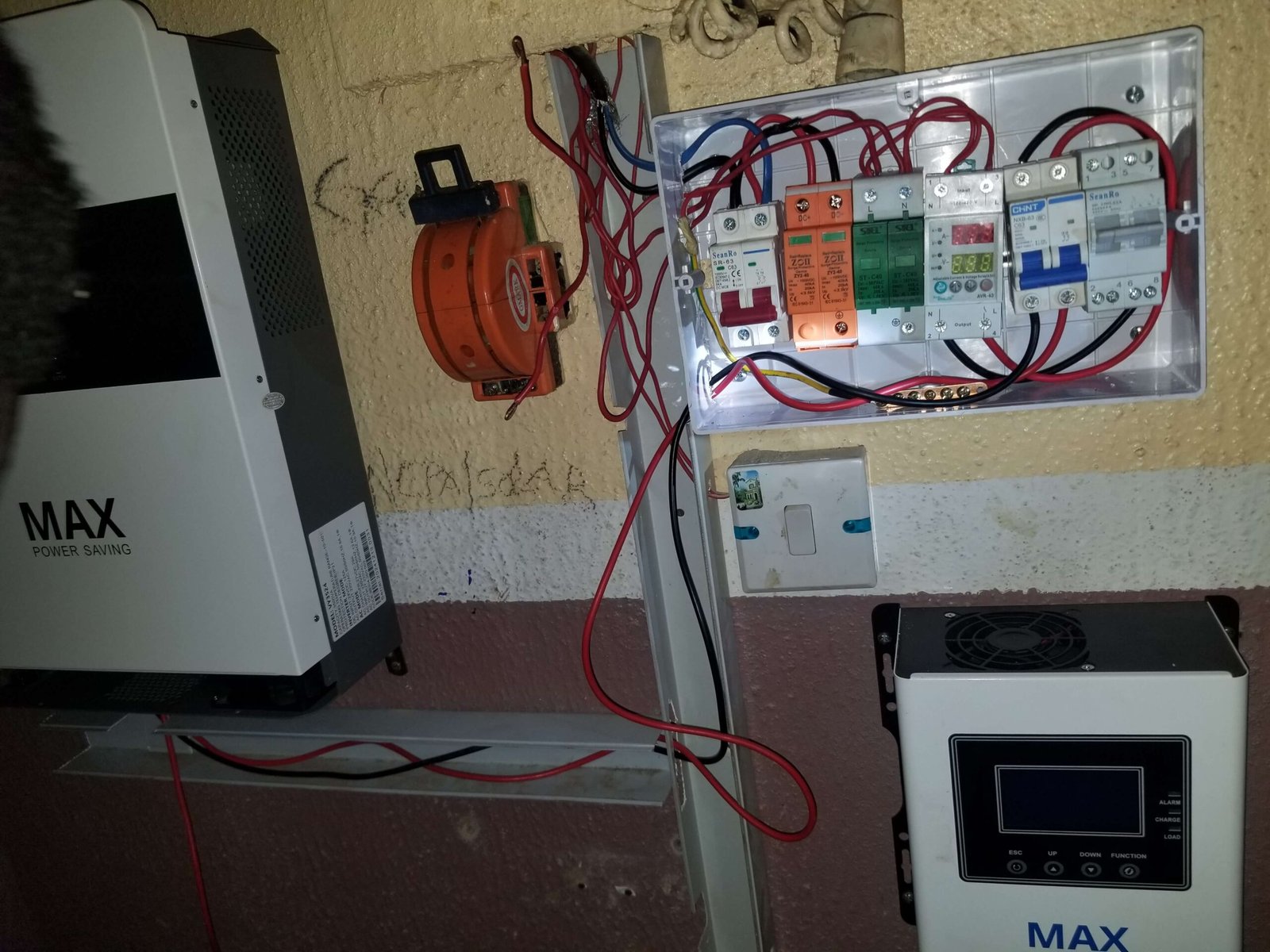
Across Ibadan, from Bodija, Challenge and Akobo to Oluyole, Iyaganku, Jericho, Apata and Ring Road, many homeowners share the same frustration. Power supply is unpredictable, generators are noisy and fuel is expensive. That is why solar installation in Ibadan is becoming a serious option for families, landlords, shop owners and people who work from home.
A well-designed solar system can power your essential appliances, reduce your reliance on petrol and diesel generators, and give you quiet, fume-free electricity. The key word is well-designed. A solar system that is wrongly sized or poorly installed will disappoint you, no matter how good the equipment looks on paper.
This guide covers what a home solar system includes, how to size one, what affects the cost, which mistakes to avoid and how to choose a solar installer in Ibadan. At PA DigiTech Solar, we design and install solar panels, inverters and battery systems for homes and businesses, and you can reach us on 07068853073.
Why More Ibadan Homeowners Are Choosing Solar Power
Ibadan is a large, fast-growing city with a mix of family compounds, estates, rented apartments, student housing, small businesses and offices. Whatever the property type, the reasons for going solar tend to be similar:
- Lower generator dependence. Fuel, servicing and repairs are an ongoing expense.
- Quiet, clean power. Ibadan’s compact residential streets mean generator noise and fumes affect your household and your neighbours.
- Dependable backup. A properly sized solar and battery system can keep lights, fans, TVs, refrigerators, freezers, Wi-Fi and laptops running through outages.
- Support for work and study. Remote workers, online businesses and students need power that does not drop in the middle of a task.
- Protection for appliances. A good inverter system with proper protection can reduce the stress that unstable supply puts on your appliances.
- A long-term investment. Quality solar equipment is built to serve for years, so you are investing in equipment rather than paying for fuel again and again.
What Does a Home Solar System Consist Of?
A complete solar installation normally includes:
Solar panels. They convert sunlight into DC electricity. Output depends on panel capacity, sunlight, angle, shading and how well they are mounted.
Solar inverter. It converts DC electricity into AC electricity for your appliances and manages power flow between the panels, batteries and, in hybrid systems, the grid or a generator. Its capacity must match the load it will carry.
Solar batteries. They store energy for night time and low-sunlight periods. Lithium batteries are popular, but the right choice depends on your budget and expected usage.
Mounting structures. They hold the panels securely on a roof or ground frame and must handle wind and heavy rain.
Protection and electrical components. Breakers, isolators, surge protection, earthing and properly rated cables protect both the system and your property.
Solar Panels, Inverter and Battery: Which Do You Actually Need?
Many people searching for solar installation in Ibadan are not sure what to ask for, and the options are different.
- Inverter and battery system. It stores power from the grid or a generator and supplies it during outages. This suits you if backup power is the main goal.
- Complete solar system (panels, inverter and batteries). It generates and stores its own electricity from sunlight, so you rely less on the grid or a generator.
- Hybrid system. It combines solar, batteries and the grid or generator so the system can draw from whichever source is available.
If your budget is limited, you can start with an inverter and battery system designed so that solar panels can be added later. A professional assessment will tell you which route fits your needs.
How to Size a Solar System for Your Ibadan Home
Sizing is the most important step, and it is where most buyers go wrong. A “5kVA inverter” that works for a neighbour may be wrong for you. Two houses of similar size can use completely different amounts of electricity.
A proper assessment looks at:
- The appliances you want to power, such as lights, fans, TV, refrigerator, freezer, laptop and router
- The power rating of each appliance in watts
- How many hours each one runs per day
- Which appliances run at the same time, which determines the inverter size
- How many hours of backup you want, which determines the battery capacity
Pay special attention to:
- Air conditioners. They add a large load, and they must be planned for from the beginning if you want to run them on solar.
- Water pumps. Many Ibadan homes depend on boreholes or tanks, and pumps demand a lot of power at start-up.
- Electric cookers, irons and water heaters. They consume high power and can overload an undersized system.
Tip: Write down your appliances, their ratings (usually on the label) and your daily usage before contacting an installer. You will get a faster, more accurate recommendation.
Solar Installation for Different Property Types in Ibadan
Rented apartments and flats. Roof access may be shared, and permission from the landlord is usually required. The design often focuses on essential appliances.
Bungalows and family compounds. These are very common in Ibadan and often have good roof or yard space. A moderate system for lights, fans, TV, refrigerator, freezer and internet equipment is typical.
Duplexes and large houses. These need higher inverter capacity, more panels and a bigger battery bank, especially with air conditioners and pumps.
Student hostels and rental properties. Landlords may want a shared or per-unit approach to keep lights, fans, security and phone-charging points running.
Shops, offices, schools and clinics. Businesses need a design based on how power is used through the day. Our commercial solar guide covers this in more detail.
Ibadan-Specific Factors a Good Installer Should Consider
Ibadan is an inland city, and that affects installation:
- Harmattan dust. Dust settling on panels can reduce output, so regular cleaning matters, especially in the dry season.
- Rainy season. Heavy cloud reduces solar generation, so battery sizing and system design should reflect your backup expectations.
- Less coastal corrosion than Lagos, but still quality-sensitive. Humidity and rain still demand good mounting hardware, sealed cable entries and proper weatherproofing.
- Hilly terrain and varied rooftops. Ibadan’s many older buildings and varied roof types, including corrugated sheets and long-run aluminium, need a careful site inspection to confirm structural suitability.
- Shade from trees and buildings. Mature trees are common in many areas, and shading can cut panel output significantly.
- Equipment location. Inverters and batteries need a dry, ventilated, easily accessible space protected from water, heat, pests and unauthorised access.
How Much Does Solar Installation Cost in Ibadan?
There is no one price for every home, because the cost depends on the system you need. The main factors are:
- Inverter capacity
- Number and wattage of solar panels
- Battery type and capacity
- Mounting structures and cabling
- Protection equipment such as breakers and surge protection
- Installation complexity and property type
- The backup duration you want
Longer backup usually requires more battery storage, and batteries are often the largest part of the total cost. Online packages can look attractive but may not match your actual needs, so a quotation based on your appliances is always the better approach.
Not sure what you need? Call PA DigiTech Solar on 07068853073 and we will help you work out a suitable system for your budget.
The Solar Installation Process: What Should Happen Step by Step
A professional installer should follow a clear process:
- Consultation and load assessment. You list your appliances and explain what you want the system to do.
- System design and sizing. The inverter, battery and panel capacities are calculated.
- Equipment selection. Components are chosen for compatibility, quality, warranty and future expansion.
- Site inspection. The roof or ground area, shading, cable routes and equipment location are checked.
- Installation. Panels, inverter, batteries and protection devices are mounted and connected.
- Testing and commissioning. Every part is tested before handover.
- Handover and guidance. You learn how to monitor the system and what to do if there is a fault.
Common Solar Installation Mistakes to Avoid in Ibadan
- Buying equipment before assessing your load. This leads to systems that are too small or needlessly expensive.
- Choosing an inverter by size alone. The battery and panel capacity must match it.
- Ignoring future needs. If you plan to add an AC, freezer or pump, include it in the original design.
- Going for the cheapest installation. Poor wiring, weak protection and bad earthing lead to failures and safety risks.
- Comparing quotes on price alone. Two similar-looking quotations can hide different equipment, battery capacities and protection components.
- Weak mounting. Panels must be properly secured against wind and rain.
- Ignoring maintenance. Dusty panels and neglected batteries lose performance over time.
How to Choose a Solar Installer in Ibadan
Before you hire anyone, check the following:
- Experience and previous work. Ask for photos or details of past installations.
- Willingness to assess your needs. Be wary of anyone who quotes without asking about your appliances.
- Clear explanations. A good installer explains the system in plain language.
- A detailed quotation. It should list equipment, capacities, protection components and what the installation includes.
- Warranty and after-sales support. Find out who you call if something goes wrong.
- Workmanship. Neat cable management, proper earthing and correct protection devices are signs of a careful installer.
Why Choose PA DigiTech Solar for Solar Installation in Ibadan?
At PA DigiTech Solar, we believe the right solar system is the one built around how you actually use electricity, not a copy of what someone else installed. We help homes and businesses with:
- Load assessment and system sizing
- Solar panel installation
- Inverter installation
- Solar battery setup
- Complete solar system installation
- System testing and customer guidance
Whether you are in Bodija, Challenge, Akobo, Oluyole, Jericho, Apata, Iwo Road, Sango, Agodi GRA or elsewhere in Ibadan, you can talk through your requirements with us before you commit to anything.
Call PA DigiTech Solar on 07068853073 to discuss your solar installation requirements.
Is Solar Power Worth Installing in Ibadan?
It depends on your situation. If you face frequent outages and spend heavily on fuel, solar can significantly reduce your generator use. If you run a business, study or work from home, reliable power can be worth more than the fuel savings alone.
Planning is what makes the difference. The cheapest system is not always the most suitable, and the biggest is not always the best. The goal is the right system for your needs and budget.
Frequently Asked Questions About Solar Installation in Ibadan
How much does solar installation cost in Ibadan?
The cost depends on inverter capacity, number of panels, battery type and capacity, and installation requirements. A proper assessment is needed for an accurate quotation. Call PA DigiTech Solar on 07068853073 to get started.
What size solar system do I need for my house in Ibadan?
It depends on your appliances, their power ratings, how long you use them and the backup time you want, not the number of rooms.
Can solar power run an air conditioner?
Yes, if the system is designed for it. Air conditioners use a lot of power, so they must be included when sizing the inverter, panels and batteries.
Can solar run a water pump or borehole pump?
It can, but pumps have high start-up demands, so the inverter must be chosen with this in mind. Tell your installer the pump rating during assessment.
Can I run my whole house on solar?
It is possible with a properly sized system, but it may need a larger inverter, more panels and a bigger battery bank. Many homeowners start with essential appliances and expand later.
How many solar panels do I need for my home?
This depends on your energy consumption, panel wattage, inverter design and available roof space.
Will solar work during the rainy season in Ibadan?
Yes, but output drops on heavily overcast days. A good design accounts for this with suitable battery capacity and, if needed, a grid or generator backup.
How long do solar batteries last?
Lifespan depends on the battery type, quality, usage and how well the system is configured. Lithium batteries are generally known for a longer service life than many traditional types.
How long does a home solar installation take?
It varies with system size and property complexity. A straightforward residential installation is usually quicker than a large commercial one.
Do solar systems need maintenance?
Yes. Regular inspection helps catch problems early, and panels may need cleaning, especially after harmattan dust.
Can I add more panels or batteries later?
Often yes, if the original system was designed with expansion in mind. Mention your future plans during the consultation.
Do I need permission to install solar panels on a rented property?
If you rent or live in a shared building or managed estate, get approval from the landlord, management or estate association first.
How do I get a solar installation quotation in Ibadan?
Prepare a list of the appliances you want to power, then call PA DigiTech Solar on 07068853073 to discuss your needs.
Conclusion
Solar installation in Ibadan can give your home dependable, quiet and generator-free power, but the results depend on proper planning, correct sizing and quality workmanship. Start with your real needs, choose a transparent installer and compare what each quotation includes, not just the price.
Ready to take the next step? Speak with PA DigiTech Solar on 07068853073 and get professional guidance on the right solar panels, inverter and battery system for your home.