
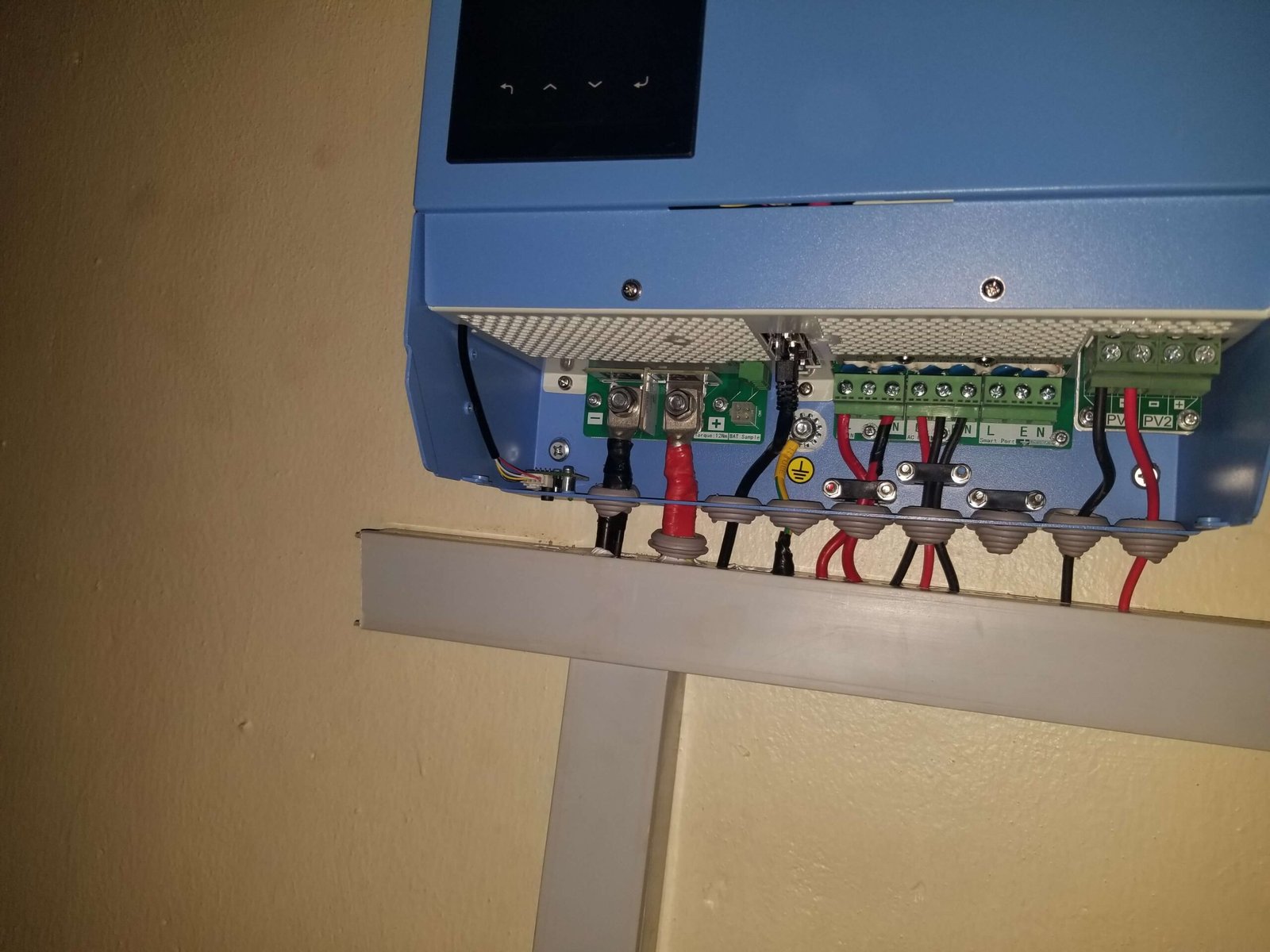
A reliable inverter can make a major difference when you need dependable electricity at home or in your business. With frequent power interruptions in many parts of Nigeria, more property owners are looking for alternative power solutions that can keep essential appliances, equipment and business operations running when the public electricity supply is unavailable.
A solar inverter system can provide a cleaner and quieter alternative to depending entirely on a petrol or diesel generator. However, buying an inverter and connecting it to your electrical system is not a job that should be approached casually. The inverter, batteries, solar panels and electrical protection components all need to be correctly selected, sized and installed.
PA DigiTech Solar provides professional solar inverter installation services in Nigeria for residential and commercial properties. Our approach is centred on understanding your power requirements and installing a system that is appropriate for your appliances, property and intended usage.
If you are considering installing an inverter at your home, office, shop or business, this guide explains what you need to know before making the investment.
What Is a Solar Inverter?
A solar inverter is a key component of a solar power system. It manages and converts electrical energy so that it can be used by appliances and other electrical equipment.
Solar panels generate direct current (DC) electricity, while most appliances used in homes and businesses operate using alternating current (AC). The inverter converts the electricity into a suitable form for your appliances.
Depending on the type of inverter and system configuration, it can also manage energy from solar panels, batteries, the public electricity supply and, in some cases, a generator.
This makes the inverter an important part of a complete solar power system.
What Is Solar Inverter Installation?
Solar inverter installation involves installing and connecting an inverter to the property’s electrical system and integrating it with the appropriate power sources and energy storage equipment.
A complete installation may involve:
- Selecting the appropriate inverter
- Assessing the property’s electrical load
- Installing batteries
- Connecting solar panels
- Installing necessary protective devices
- Connecting the inverter to the appropriate circuits
- Configuring the inverter
- Testing the system
- Explaining basic operation to the customer
The exact installation process depends on whether you are installing a standalone inverter and battery system, a hybrid solar inverter or a complete solar power system.
Why Professional Inverter Installation Matters
An inverter is connected to an electrical system that can carry substantial electrical loads. Incorrect installation can result in poor performance, equipment damage and electrical safety problems.
Professional installation helps ensure that the inverter is properly matched to the electrical requirements of the property and that the associated components are correctly connected.
For example, the inverter capacity needs to be suitable for the appliances that will be connected to it. The battery bank also needs to be compatible with the inverter and sized according to the required backup period.
Cables, circuit protection, isolators, earthing and other electrical components also need to be appropriately selected and installed.
A professional solar inverter installer should therefore look at the complete system rather than treating the inverter as an isolated piece of equipment.
Solar Inverter Installation for Homes
Residential inverter installation is one of the most common applications for backup power systems in Nigeria.
A typical homeowner may want to keep essential appliances operating when there is no electricity from the grid.
These may include:
- Lighting
- Television
- Fans
- Refrigerator
- Freezer
- Internet equipment
- Computers
- Selected air conditioners
- Water pumps
- Other essential appliances
The exact system required depends on which appliances you want to run and how long you want them to operate.
For example, a homeowner who wants to power only lights, fans, a television and a refrigerator will have very different requirements from someone who wants to include multiple air conditioners, freezers, pumps and other high-power appliances.
This is why a load assessment should be carried out before an inverter is purchased.
Solar Inverter Installation for Businesses
Businesses often have more demanding and varied electricity requirements.
Offices may need to power computers, printers, networking equipment, lighting and air conditioning. Shops may need refrigeration, lighting and electronic equipment, while hotels, schools, clinics, restaurants and workshops can require significantly larger systems.
For commercial inverter installation, it is important to understand the business’s operating hours and the equipment that needs uninterrupted power.
A properly designed system can help businesses maintain essential operations during power interruptions and reduce their dependence on generators.
For larger installations, the system may include multiple batteries, a larger inverter capacity and a greater amount of solar generation.
Types of Inverters Used for Solar Systems
There are different types of inverters, and the appropriate option depends on how you intend to use the system.
Off-Grid Inverters
An off-grid inverter is designed for systems that operate independently of the public electricity grid.
These systems normally rely on solar panels and battery storage to provide electricity.
They can be suitable for properties where grid electricity is unavailable or where the customer wants an independent power system.
Hybrid Inverters
Hybrid inverters can manage electricity from multiple sources, including solar panels, batteries and the electricity grid.
This makes them particularly useful for homes and businesses that want to combine solar energy with battery storage and grid electricity.
Depending on the system configuration, a hybrid inverter can prioritise available energy sources according to the programmed settings.
Grid-Tied Inverters
Grid-tied inverters are designed to operate alongside the electricity grid. They convert electricity generated by solar panels into AC electricity that can be used by the property’s electrical system.
The suitability of a grid-tied system depends on the property’s requirements and the applicable electrical and utility arrangements.
For many Nigerian homes seeking backup power during grid outages, battery-based hybrid systems may be more appropriate than a basic grid-tied setup.
How to Choose the Right Solar Inverter
Choosing an inverter should start with your electrical requirements rather than the price or brand name.
One of the first things to determine is the total power demand of the appliances you want to operate.
If several appliances are likely to run at the same time, the inverter needs to be capable of handling their combined demand and any relevant starting or surge requirements.
You also need to consider battery compatibility and the amount of energy you want to store.
Another consideration is whether you intend to add solar panels now or in the future. If solar generation will be part of your system, the inverter should be suitable for the planned solar array.
Future expansion should also be considered. If you expect your electricity requirements to increase, it may make sense to account for this during the initial system design.
What Size Inverter Do I Need?
There is no universal inverter size for every Nigerian home or business.
Inverter capacity should be determined by your electrical load.
For example, a property with basic lighting, fans, television, refrigeration and small electronics may require a considerably different inverter from a property with several air conditioners, freezers, pumps and other high-power equipment.
This is why simply asking for a “5kVA inverter” or “10kVA inverter” without providing information about your appliances may not result in the right system.
A professional installer can assess the loads and determine the appropriate inverter capacity.
At PA DigiTech Solar, customers can provide their appliance list and requirements so that the proposed system can be based on their actual needs.
For enquiries, call 07068853073.
How Many Batteries Do You Need?
The inverter is only one part of a backup power system. Battery capacity determines how much energy can be stored and how long the system can continue supplying power when solar generation or grid electricity is unavailable.
The required battery capacity depends on factors such as:
- The appliances being powered
- Their power consumption
- How long they need to operate
- Battery technology
- The inverter configuration
- Desired backup time
For example, a customer who only wants a few essential appliances to run for a limited period may require considerably less battery storage than someone who wants several appliances operating throughout the night.
Oversizing the battery bank can unnecessarily increase the cost of a system, while undersizing it may result in insufficient backup.
The right balance should therefore be established during the system design stage.
Can a Solar Inverter Work Without Solar Panels?
Yes, depending on the type of inverter.
Some inverter and battery systems can provide backup power without solar panels. In this configuration, the batteries can be charged from the electricity grid or another available power source.
However, if your objective is to generate electricity from sunlight and recharge the batteries using solar energy, you need a suitable solar inverter or hybrid system and an appropriately sized solar panel array.
This is one reason it is important to explain your long-term objectives to your installer before purchasing equipment.
Solar Inverter Installation Process
A professional installation normally involves several stages.
Initial Consultation
The process begins by understanding your requirements.
You may be asked about your property, appliances, current electricity supply, generator usage and the type of backup you want.
Load Assessment
Your appliances are assessed to determine the approximate electrical load.
This helps establish the inverter capacity and other system requirements.
System Design
The inverter, batteries, solar panels and associated components are selected based on the calculated requirements.
The design should also consider the physical characteristics of the property.
Site Assessment
The proposed locations for the inverter, batteries and solar panels are assessed.
The installer considers factors such as available space, ventilation, accessibility, shading and cable routing.
Installation
The equipment is installed and connected according to the system design.
This may include inverter mounting, battery installation, solar panel installation, wiring, electrical protection and connection to the appropriate circuits.
Configuration and Testing
The inverter is configured according to the system requirements.
The installer should then test the system and confirm that the inverter, batteries, solar input and electrical connections are functioning correctly.
Where Should a Solar Inverter Be Installed?
The location of an inverter matters.
It should generally be installed in an appropriate, clean and reasonably protected environment where it can be accessed for inspection and maintenance.
Ventilation is also important because electrical equipment can generate heat during operation.
Batteries require particular consideration. Depending on the battery technology, installation requirements can differ, so the manufacturer’s recommendations and appropriate electrical safety practices should be followed.
An experienced installer can help determine a suitable location based on the property and equipment being used.
Solar Inverter Installation Cost in Nigeria
The cost of solar inverter installation varies from one project to another.
The total cost can depend on the inverter capacity, inverter type, battery capacity, battery technology, solar panel capacity, mounting requirements, cabling, electrical protection and the complexity of the installation.
A small residential backup system may have very different requirements from a commercial installation.
The cost of installation should therefore be considered alongside the complete equipment specification.
When comparing quotations, check exactly what is included. One installer may quote only for the inverter and basic connection, while another quotation may include batteries, solar panels, protection equipment, mounting materials, configuration, testing and after-installation support.
If you would like a quotation for your specific requirements, contact PA DigiTech Solar on 07068853073.
Signs That Your Inverter System May Need Attention
If you already have an inverter system, certain problems may indicate that it needs professional inspection.
These can include frequent shutdowns, unusual error messages, batteries that do not hold charge as expected, reduced backup time, overheating, unexpected switching between power sources or appliances failing to operate properly when the inverter is active.
The cause is not always the inverter itself. Problems can also originate from the batteries, wiring, solar panels, protection devices or configuration.
For this reason, troubleshooting should involve checking the entire system rather than immediately replacing the inverter.
Common Solar Inverter Installation Mistakes
One of the most common mistakes is choosing an inverter without first calculating the electrical load.
Another is installing an inverter with an inadequate battery bank. A high-capacity inverter does not automatically provide long backup time. Backup duration depends heavily on available battery energy and the load being powered.
Poor cable selection and inadequate electrical protection can also affect system performance and safety.
Another problem is installing equipment in an unsuitable location. Heat, moisture, dust and poor ventilation can negatively affect electrical equipment.
Customers should also be cautious about extremely cheap quotations. A low price may sometimes reflect lower-quality equipment, insufficient protection or an incomplete installation.
A proper quotation should clearly explain the equipment and services being provided.
Solar Inverter vs Generator for Backup Power
Generators remain widely used for backup electricity in Nigeria, but solar inverter systems offer a different approach.
A generator requires fuel and produces noise and exhaust emissions during operation. A battery-based solar inverter system can operate quietly and can store energy for later use.
Solar panels can also recharge batteries using sunlight, reducing the need to rely entirely on fuel or grid electricity.
However, solar systems require a higher initial investment and need proper system design.
For many customers, the decision is not necessarily about completely eliminating generators. A solar inverter system can instead be used to reduce generator usage and provide a quieter source of backup power for selected loads.
The right approach depends on your property’s electricity requirements and budget.
Why Choose PA DigiTech Solar?
At PA DigiTech Solar, we understand that every property has different electricity requirements.
Rather than recommending a system simply because it is popular, the goal is to understand what you actually need the system to power.
Our solar installation service can cover the assessment and installation of the appropriate inverter, batteries, solar panels and associated components according to the project requirements.
Whether you need an inverter for your home, office, shop or commercial property, professional planning can help you avoid purchasing equipment that does not meet your expectations.
For solar inverter installation enquiries, call PA DigiTech Solar on 07068853073.
Frequently Asked Questions About Solar Inverter Installation
How much does solar inverter installation cost in Nigeria?
The cost varies according to inverter capacity, battery requirements, solar panel capacity, installation complexity and the other components required. An accurate quotation requires an assessment of the customer’s requirements.
What is the best inverter size for a home?
There is no single inverter size that is suitable for every home. The appropriate capacity depends on the appliances you want to operate and their combined electrical demand.
Can an inverter power an air conditioner?
Yes, but the inverter must be appropriately sized for the air conditioner’s electrical requirements, including relevant starting or surge demand. Battery and solar panel capacity should also be considered.
How long can an inverter battery last?
Backup duration depends on the battery’s usable capacity and the electrical load being powered. Higher loads consume stored energy more quickly.
Can I add solar panels to my existing inverter?
This depends on the type and specifications of the inverter. Some inverters are designed to work with solar panels, while others are not. The equipment should be checked before adding a solar array.
Do I need batteries with solar panels?
If you want stored energy for use when the sun is unavailable, battery storage is required. The configuration depends on the type of solar system being installed.
How do I know what inverter I need?
Start with your appliance list. Determine which appliances you want to power and which ones may operate at the same time. A professional installer can then use this information to assess the appropriate inverter and battery capacity.
Can PA DigiTech Solar install an inverter for my business?
Yes. PA DigiTech Solar provides solar inverter and solar power installation services for residential and business applications. You can call 07068853073 to discuss your requirements.
Get Professional Solar Inverter Installation in Nigeria
Choosing an inverter should not be based solely on its capacity, brand or price. The entire system needs to be considered, including the electrical load, batteries, solar panels, protection equipment and installation environment.
A properly assessed and professionally installed system can provide dependable backup power while allowing you to make better use of solar energy.
Whether you need solar inverter installation for your home, office, shop or larger business, the first step is to understand your actual electricity requirements.
For professional solar inverter installation services in Nigeria, contact PA DigiTech Solar on 07068853073 to discuss your requirements and get started with your solar power project.