
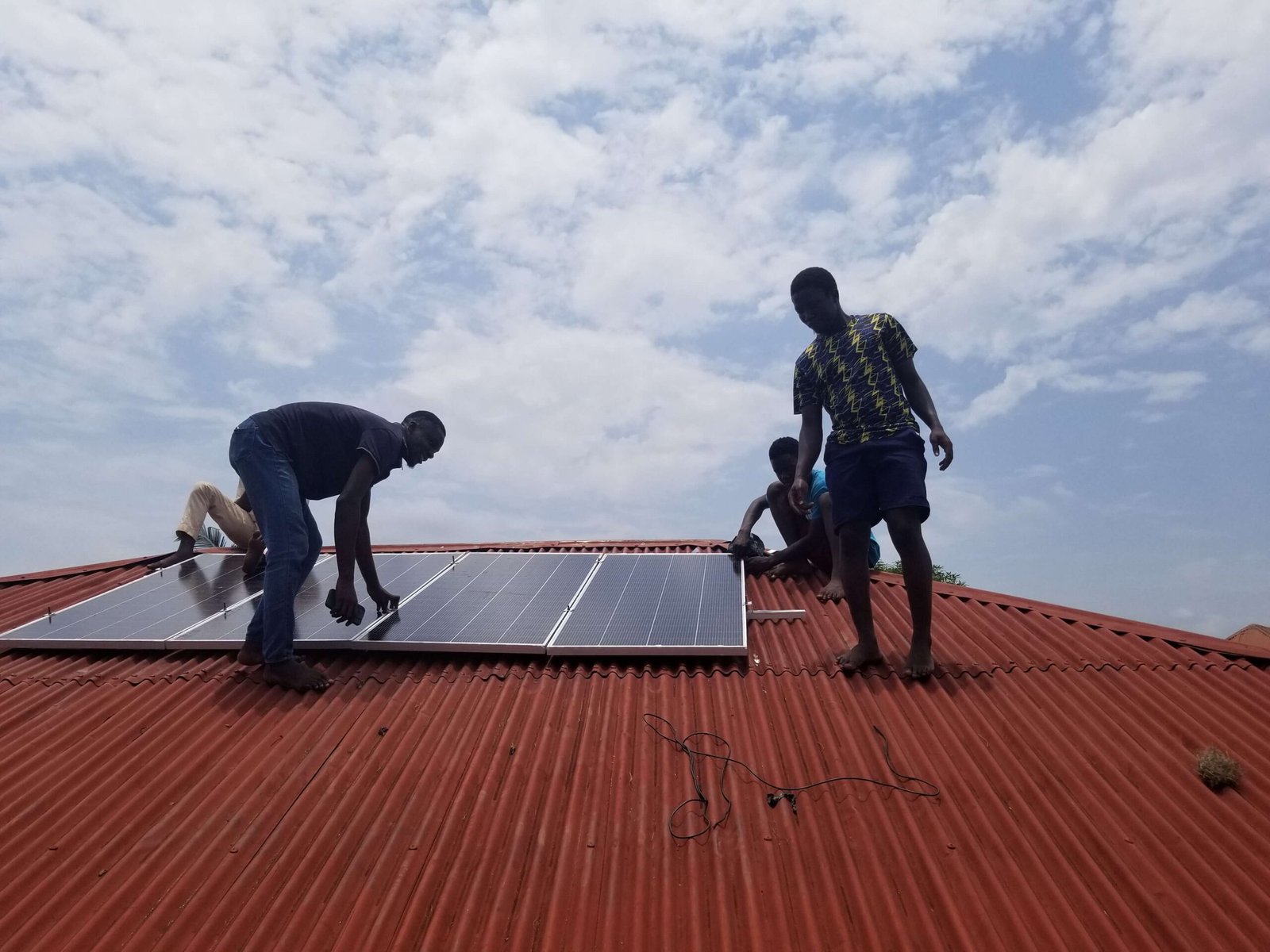
Kano is one of the sunniest parts of Nigeria, which makes solar a natural fit. It is also one of the hottest and dustiest, which means a system that is not designed for local conditions can lose performance quickly. If you are researching solar installation in Kano, this guide explains how to get the benefits of strong sunshine while avoiding the problems heat and dust can cause.
At PA DigiTech Solar, we design and install solar panels, inverters and battery systems for homes and businesses. You can reach us on 07068853073.
Why Solar Makes Sense in Kano
Kano has plenty of sunshine for much of the year, and that is the raw material a solar system runs on. Many households and businesses also face the same practical challenges:
- Grid interruptions that disrupt homes, shops and workshops
- Fuel costs and generator maintenance
- Noise and fumes in crowded neighbourhoods and compounds
- High cooling demand during the hot months
- Business downtime, where a power cut can stop machines, refrigeration or sales
A properly designed solar system addresses these by generating power from sunlight, storing it in batteries and supplying your essential loads quietly.
Kano’s Solar Calendar: What Each Season Means for Your System
Kano’s weather runs in clear seasons. Knowing them helps you set realistic expectations.
| Period | Typical conditions | Effect on solar | What to do |
|---|---|---|---|
| Cool dry season / harmattan (roughly Nov to Feb) | Dry air, dusty haze, cooler nights | Good sunshine, but airborne dust can dim panel output | Clean panels regularly, since dust builds up fast |
| Hot dry season (roughly Mar to May) | Very high temperatures | Strong sunshine, but heat can reduce panel efficiency and stress batteries and inverters | Make sure equipment is shaded, ventilated and not crammed into a hot room |
| Rainy season (roughly Jun to Sep) | Clouds, storms, lightning | Lower output on overcast days; rain also washes panels | Rely on proper battery sizing and good earthing and surge protection |
| Transition periods | Variable | Mixed conditions | Inspect the system and check connections |
Exact timing varies from year to year, so treat the months as a rough guide.
Heat and Dust: The Two Big Kano Factors
Heat. Solar panels and electronics prefer cooler conditions. In very high temperatures, panels can produce slightly less than their rated output, and batteries and inverters can run hotter and age faster if they are badly placed. A good installation allows air to flow behind the panels and puts the inverter and batteries in a ventilated, shaded, protected space, not in a closed hot store or direct sun.
Dust. Harmattan and dry-season dust settle on panels and reduce how much light reaches the cells. Plan for easy, safe access to the panels for cleaning, and clean them gently with water and a soft cloth or sponge, ideally early in the morning or late in the day when panels are cooler. Avoid harsh scrubbing that could scratch the glass.
Three Kano Scenarios (Illustrative)
Every property is different, but these examples show how an installer thinks. They describe typical priorities, not fixed system sizes.
Scenario 1: The family compound
Many Kano homes are large compounds with extended families, several rooms, many fans, televisions, refrigerators, freezers and sometimes air conditioners and a borehole pump.
- Main challenge: a large number of small loads, plus a few big ones
- Design priorities: a realistic list of what must run on solar, careful sizing of the inverter for appliances that start together, and enough battery capacity for evening and night use
- Smart approach: put essential circuits (lights, fans, TV, refrigerator, freezer, phone charging) on the solar system first, and decide separately whether to include air conditioners and heavy appliances
- Common mistake: buying a system sized by compound size, not by appliances
Scenario 2: The shop or market stall
Shops in places like Sabon Gari, Fagge, Kantin Kwari and busy commercial streets often need lighting, fans, phone charging, a display fridge or freezer, a computer or POS and security equipment.
- Main challenge: keeping the business running during opening hours
- Design priorities: daytime solar use, reliable operation through peak trading hours and protection of refrigeration and electronics
- Smart approach: since most trading happens in daylight, the solar panels can power the shop directly while batteries cover shortfalls and early evening
- Common mistake: over-buying battery capacity when daytime use matters most, or under-sizing the inverter for the fridge’s start-up surge
Scenario 3: The small workshop
Tailors, welders, carpenters, barbers, grinding and processing businesses, and other workshops often have motors and tools with high start-up loads.
- Main challenge: motors and machines can draw much more power when starting than when running
- Design priorities: an inverter chosen for surge demand, correct cabling and protection, and an honest decision about which machines to run on solar
- Smart approach: list every machine with its rating and how often it runs, and tell the installer which ones may run together
- Common mistake: assuming a small inverter can handle motors because the running wattage looks low
What a Complete Solar System Includes
- Solar panels that convert sunlight into DC electricity
- A solar inverter that converts DC to AC and manages power from panels, batteries and, in hybrid systems, the grid or generator
- Batteries that store energy for night time and low-sunlight periods
- Mounting structures that hold panels firmly against wind and dust storms
- Protection and electrical components, including breakers, isolators, surge protection, earthing and properly rated cables
Which Setup Fits You?
| If your main goal is… | Consider… |
|---|---|
| Backup when the grid goes off | Inverter and battery system |
| Generating and storing your own power | Complete solar system (panels, inverter, batteries) |
| Flexibility, using solar, batteries and grid or generator together | Hybrid system |
| A lower starting cost with room to grow | Inverter and battery now, designed so panels can be added later |
A professional assessment will confirm the best fit.
How to Size a Solar System in Kano
Sizing means matching the system to your load. It involves:
- Listing your appliances and their power ratings in watts
- Estimating daily hours of use for each one
- Identifying what runs at the same time, which sets the inverter size
- Choosing your backup hours, which sets the battery size
- Calculating panel capacity to supply the energy you need
Pay special attention to air conditioners, water and borehole pumps, freezers, electric cookers and any motors, since these are the loads that most often break an undersized system.
Tip: write down every appliance you want to run, its rating (usually on the label) and your daily usage before you call an installer.
How Much Does Solar Installation Cost in Kano?
There is no single price, because the cost follows the design. The main factors are:
- Inverter capacity
- Number and wattage of solar panels
- Battery type and capacity, often the biggest cost
- Mounting structures, cabling and protection equipment
- Installation complexity
- Backup duration
Longer backup and heavier appliances mean a larger system and a higher cost. Removing a few high-power appliances from the solar circuit can reduce the size you need.
For an accurate quotation, call PA DigiTech Solar on 07068853073 with your appliance list.
Security: Protecting Your Solar Equipment
Solar equipment is valuable, so security deserves thought in Kano as in any Nigerian city.
- Mount panels firmly and, where appropriate, use secure fixings
- Place the inverter and batteries in a lockable, ventilated room
- Avoid leaving equipment where it is easily accessible from the street
- Ask your installer what practical options exist for your property
8 Questions to Ask Any Solar Installer in Kano
- Did you ask about my appliances and how long I use them?
- How did you calculate the inverter, battery and panel capacities?
- What exactly is included in the quotation?
- How will you protect the system from heat and dust?
- How will you handle earthing and surge protection for rainy-season storms?
- Where will the inverter and batteries be placed, and is it ventilated?
- What warranty and after-sales support do I get?
- Can you show photos or details of previous installations?
Common Mistakes to Avoid
- Buying equipment before assessing your load
- Choosing an inverter by size alone, without matching batteries and panels
- Ignoring heat when deciding where to put the inverter and batteries
- Forgetting motor and pump start-up demand
- Skipping proper earthing and surge protection
- Comparing quotations on price alone
- Neglecting panel cleaning and periodic inspection
Why Choose PA DigiTech Solar?
PA DigiTech Solar designs systems around how you actually use electricity, not around a generic package. We help homes and businesses with:
- Load assessment and system sizing
- Solar panel installation
- Inverter installation
- Solar battery setup
- Complete solar system installation
- System testing and customer guidance
Talk to us about your requirements before you commit to any equipment.
Call PA DigiTech Solar on 07068853073.
Frequently Asked Questions About Solar Installation in Kano
How much does solar installation cost in Kano?
It depends on inverter capacity, number of panels, battery type and capacity, and installation requirements. A proper assessment gives an accurate quotation. Call PA DigiTech Solar on 07068853073 to get started.
Is Kano a good place for solar power?
Kano has abundant sunshine for much of the year, which suits solar. The key is a design that handles heat, dust and rainy-season storms.
Does extreme heat damage solar panels?
Panels are built for hot climates, but very high temperatures can slightly reduce output. Batteries and inverters need shaded, ventilated placement so they do not overheat.
How does harmattan dust affect solar panels?
Dust reduces the light reaching the cells and lowers output. Regular, gentle cleaning helps maintain performance.
How often should I clean my solar panels in Kano?
It depends on the season and how dusty your area is. Clean more often during harmattan and dusty periods, and check them regularly.
What size solar system do I need for my house in Kano?
It depends on your appliances, their ratings, how long you use them and the backup time you want, not the size of your house or compound.
Can solar power run air conditioners in Kano?
Yes, if the system is designed for it. Air conditioners use a lot of power, so they must be included when sizing the inverter, panels and batteries.
Can solar run a borehole or water pump?
Yes, but pumps have high start-up demand, so the inverter must be chosen with this in mind. Tell your installer the pump rating.
Can solar run a shop or small workshop?
Yes, if the system is sized for your actual equipment. Motors and machines with high start-up loads need special attention.
Will solar work during the rainy season?
Yes, but output is lower on heavily overcast days. A good design allows for this with suitable battery capacity and, if needed, a grid or generator backup.
Is solar safe during thunderstorms?
A properly installed system with correct earthing and surge protection is designed to reduce electrical risks. Ask your installer how they handle this.
How long do solar batteries last?
It depends on battery type, quality, usage, temperature and configuration. Heat can shorten battery life, so good placement matters.
Can I add more panels or batteries later?
Often yes, if the original system was designed with expansion in mind. Mention your plans during the consultation.
Do I need permission to install solar on a rented property?
Yes, get approval from the landlord, property management or estate association first.
How do I get a solar installation quotation in Kano?
List the appliances you want to power, then call PA DigiTech Solar on 07068853073.
Final Word
Solar installation in Kano can give your home or business dependable, quiet, generator-free power, and the strong sunshine works in your favour. The difference between a system that performs for years and one that disappoints comes down to correct sizing, heat-smart placement, dust management and quality installation.
Ready to talk? Call PA DigiTech Solar on 07068853073.