
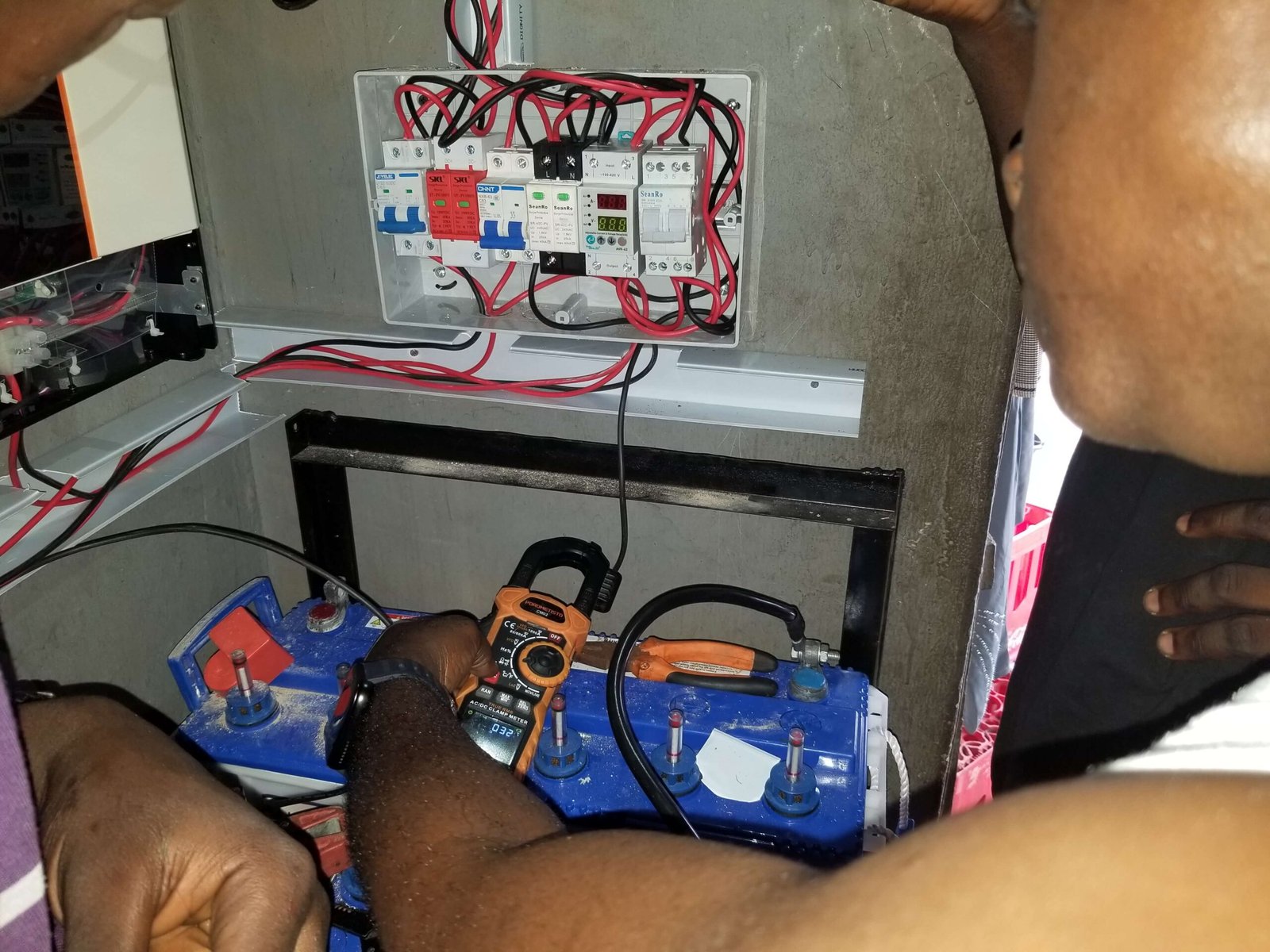
The Nigerian sun provides abundant energy throughout the year, making solar power an increasingly popular choice for homes and businesses across the country. However, investing in a solar system is just the beginning of your journey toward energy independence. To truly maximize your investment and ensure your solar panels, batteries, and inverters deliver optimal performance for decades to come, understanding proper solar system maintenance Nigeria practices is essential from day one.
Many solar system owners make the mistake of assuming their installation is completely maintenance-free. While solar technology is remarkably durable, the harsh Nigerian climate—with its combination of intense sunlight, seasonal dust storms, and heavy rains—presents unique challenges that require attention. With proper care and regular maintenance, your solar system can efficiently serve your energy needs for over two decades while maintaining peak performance levels.
Understanding Nigeria’s Solar Maintenance Challenges
Nigeria’s tropical climate and diverse environmental conditions create specific maintenance requirements that differ from other regions. The dry season brings dust storms that can significantly reduce panel efficiency, especially in northern states like Kano, Sokoto, and Maiduguri. Meanwhile, the rainy season in southern regions like Lagos and Port Harcourt can cause humidity-related issues with electrical components.
Temperature fluctuations also play a crucial role in system performance. Solar panels actually become less efficient as temperatures rise, and Nigeria’s average temperatures of 25-35°C mean that proper ventilation and cooling become critical factors in maintaining system efficiency.
Essential Solar Panel Cleaning and Maintenance
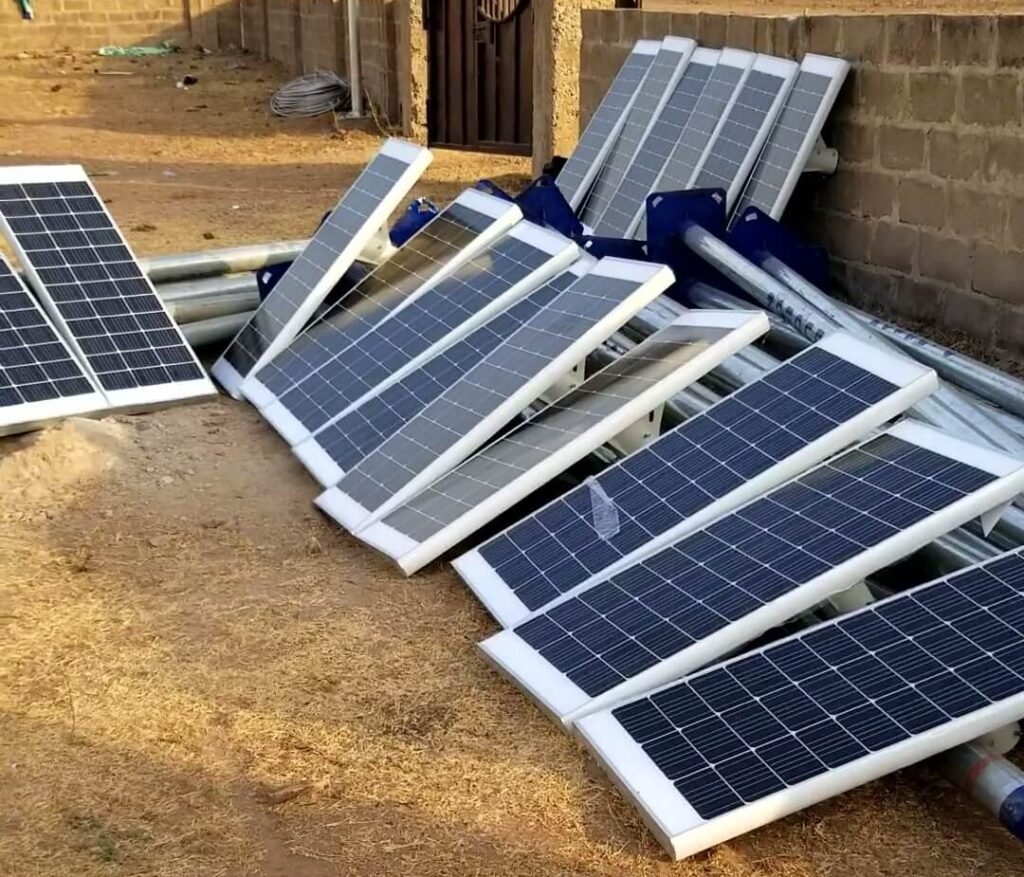
Solar panels are your system’s primary energy collectors, and their cleanliness directly impacts your electricity generation. Research shows that dirty panels can lose up to 25-30% of their efficiency, which translates to significant financial losses over time.
Effective Panel Cleaning Techniques:
Start your cleaning routine early in the morning or late in the evening when panels are cool to touch. Hot panels can crack if exposed to cold water, and cleaning during peak sun hours can cause water to evaporate too quickly, leaving mineral deposits.
Use only clean, preferably distilled water and a soft microfiber cloth or squeegee. Avoid soap unless absolutely necessary, as residue can attract more dirt. For stubborn bird droppings or tree sap, a plastic scraper can help, but never use metal tools that could scratch the panel surface.
The frequency of cleaning depends heavily on your location. Urban areas like Lagos and Abuja require cleaning every 2-3 weeks due to air pollution and dust accumulation. Rural areas might need less frequent cleaning, but locations near construction sites, farmland, or dusty roads may require weekly attention during dry seasons.
Seasonal Cleaning Considerations:
During the harmattan season (November to March), when dust-laden winds blow across West Africa, increase your cleaning frequency. This period is particularly challenging for solar installations in northern Nigeria, where panels can become completely covered in fine dust within days.
The rainy season offers natural cleaning but can also deposit mud and debris on panels. After heavy storms, inspect your panels for damage and clean off any accumulated dirt that rainwater couldn’t remove.
Battery Maintenance for Longevity
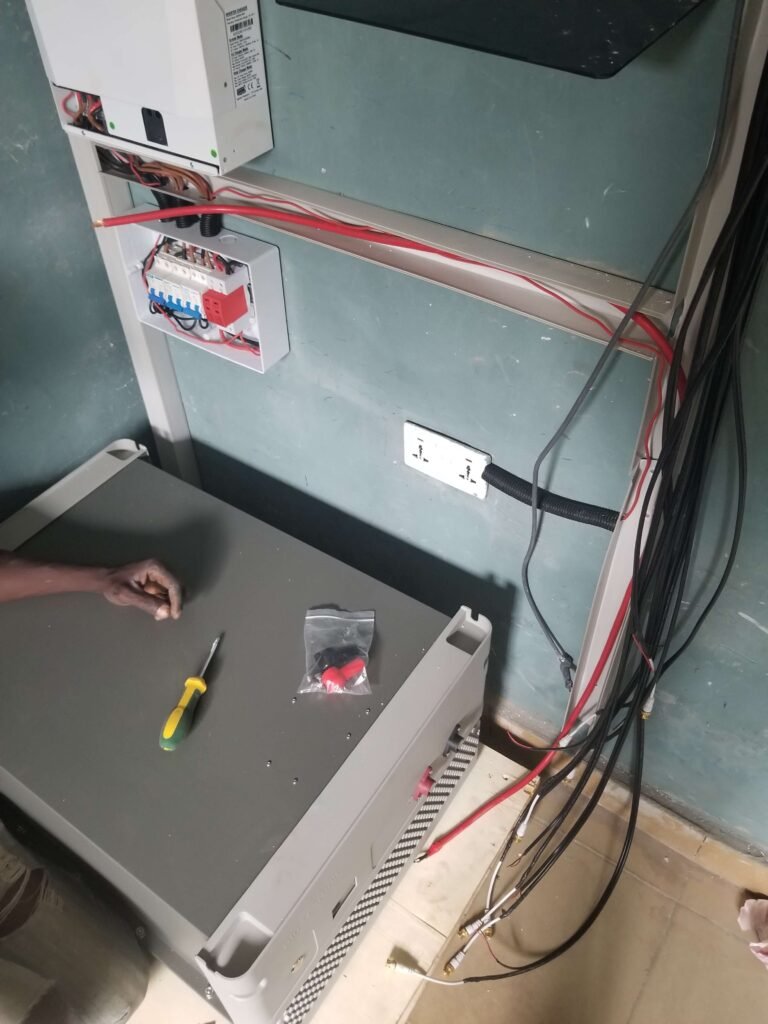
Solar batteries represent a significant portion of your system investment, and proper maintenance can extend their lifespan from 3-5 years to 7-10 years or more. Different battery types require different maintenance approaches, but all benefit from consistent attention.
Lead-Acid Battery Care:
If your system uses traditional lead-acid batteries, monthly maintenance checks are crucial. Check electrolyte levels and top up with distilled water when necessary. Never use tap water, as minerals can damage the battery plates and reduce capacity.
Keep battery terminals clean and free from corrosion. A mixture of baking soda and water can neutralize acid buildup, but ensure the area is well-ventilated and wear protective equipment. Apply petroleum jelly to terminals after cleaning to prevent future corrosion.
Temperature management is critical for battery health. Batteries perform best at temperatures between 20-25°C, but Nigerian conditions often exceed this range. Ensure your battery compartment has adequate ventilation and consider installing fans for areas that regularly exceed 35°C.
Lithium Battery Considerations:
Lithium-ion batteries require less hands-on maintenance but benefit from monitoring systems that track performance and health metrics. These batteries are more tolerant of temperature variations but should still be kept as cool as possible for optimal lifespan.
Avoid complete discharge cycles with lithium batteries. Unlike lead-acid batteries, lithium batteries prefer to stay between 20-80% charge levels for maximum longevity. Configure your system’s charge controller to prevent deep discharges that can permanently reduce capacity.
Inverter Care and Performance Monitoring
Your inverter works harder than any other component in your solar system, converting DC power from panels and batteries into AC power for your appliances. This constant operation means inverters are often the first component to show signs of wear.
Modern inverters include diagnostic displays that provide valuable information about system performance. Learn to interpret error codes and warning lights, as early detection of problems can prevent costly repairs or replacements.
Keep inverter compartments clean and dust-free. Nigeria’s dusty conditions can clog ventilation fans and heat sinks, causing overheating and reduced efficiency. Use compressed air monthly to blow out accumulated dust, paying special attention to cooling vents and fan assemblies.
Check for loose connections at least quarterly. Thermal expansion and contraction from daily temperature cycles can gradually loosen electrical connections, creating resistance that reduces efficiency and poses fire risks.
Wiring and Safety Inspections
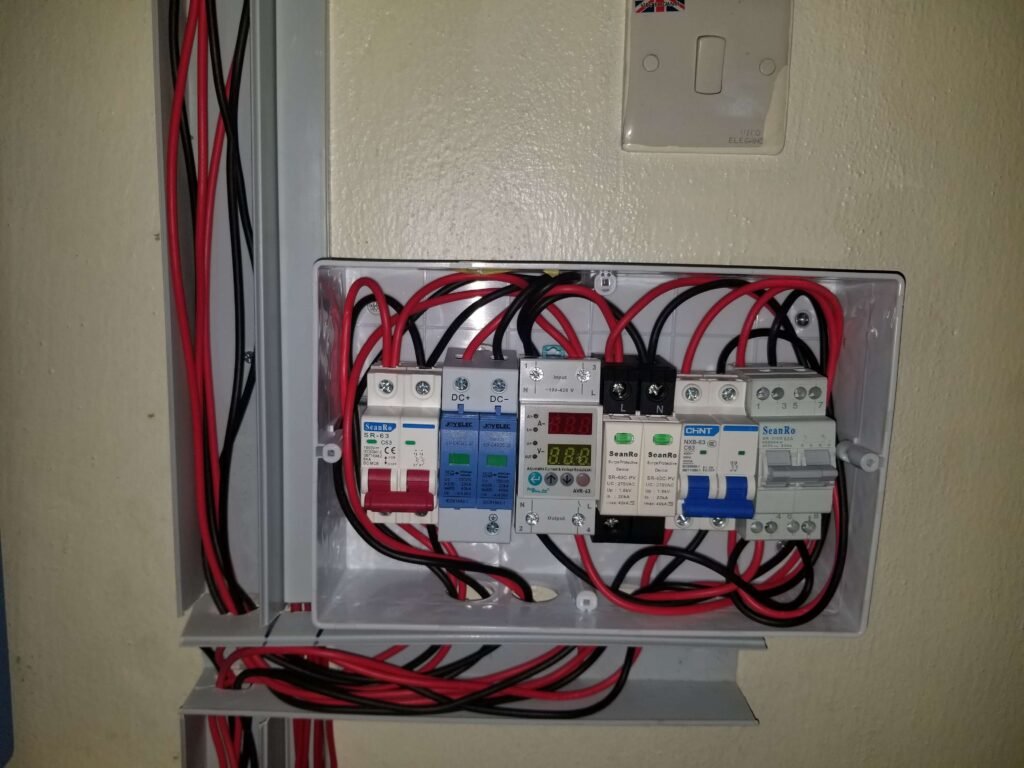
Electrical connections throughout your solar system require regular inspection to ensure safety and optimal performance. Nigeria’s combination of high temperatures, humidity, and dust creates challenging conditions for electrical components.
Examine all visible wiring for signs of damage, including cracking, discoloration, or animal damage. Rodents and insects can cause significant damage to solar installations, particularly in rural areas where systems may be more exposed to wildlife.
Grounding systems are particularly important in Nigeria’s electrical environment. Proper grounding protects your system from lightning strikes and electrical surges, which are common during the rainy season. Have a qualified electrician verify your grounding system annually.
Professional Solar Maintenance Services
While many maintenance tasks can be handled by system owners, comprehensive servicing requires professional expertise. Qualified technicians can identify potential problems before they become expensive failures and ensure your system operates safely and efficiently.
Professional maintenance should include thermal imaging inspections that can detect hot spots in panels or connections invisible to the naked eye. These hot spots often indicate developing problems that can lead to system failures or fire hazards if left unaddressed.
Electrical testing with specialized equipment can measure actual system performance against expected output, helping identify underperforming components or configuration issues that reduce overall efficiency.
Maximizing Your Solar Investment
Proper solar panel cleaning Nigeria and comprehensive system maintenance protect your investment while ensuring consistent energy production. A well-maintained system not only lasts longer but also maintains higher efficiency throughout its operational life.
Keep detailed maintenance records that document cleaning schedules, performance measurements, and any repairs or replacements. This information proves valuable for warranty claims and helps identify patterns that might indicate systematic issues.
Consider investing in monitoring systems that provide real-time performance data. These systems can alert you to problems immediately, allowing for quick responses that minimize downtime and prevent minor issues from becoming major repairs.
Working with Professional Service Providers
When selecting a maintenance provider, look for companies with proven experience in Nigeria’s unique climate conditions. Local expertise matters significantly when dealing with the specific challenges posed by harmattan dust, tropical humidity, and seasonal weather patterns.
At PA Digital Technologies, we understand the unique requirements of solar battery servicing Nigeria conditions demand. Our maintenance packages are specifically designed for Nigerian climate conditions and include comprehensive cleaning, electrical testing, and component servicing that keeps your system operating at peak efficiency.
Our trained engineers serve major cities including Lagos, Abuja, Port Harcourt, Ibadan, Kano, and Enugu, providing consistent, professional service regardless of your location. We use specialized equipment and proven techniques developed specifically for tropical solar installations.
Regular professional maintenance visits should be scheduled at least twice yearly, ideally before and after the rainy season. This timing allows for preparation and recovery from Nigeria’s most challenging weather conditions.
For immediate assistance or to schedule your solar maintenance packages Nigeria service, contact us at 07068853073. Our team is ready to help you maximize your solar investment and ensure decades of reliable, efficient energy production.
Remember, the cost of proper maintenance is always less than the cost of premature replacement or major repairs. By investing in regular care and professional service, you protect your solar system investment while ensuring consistent, reliable power for your home or business.