
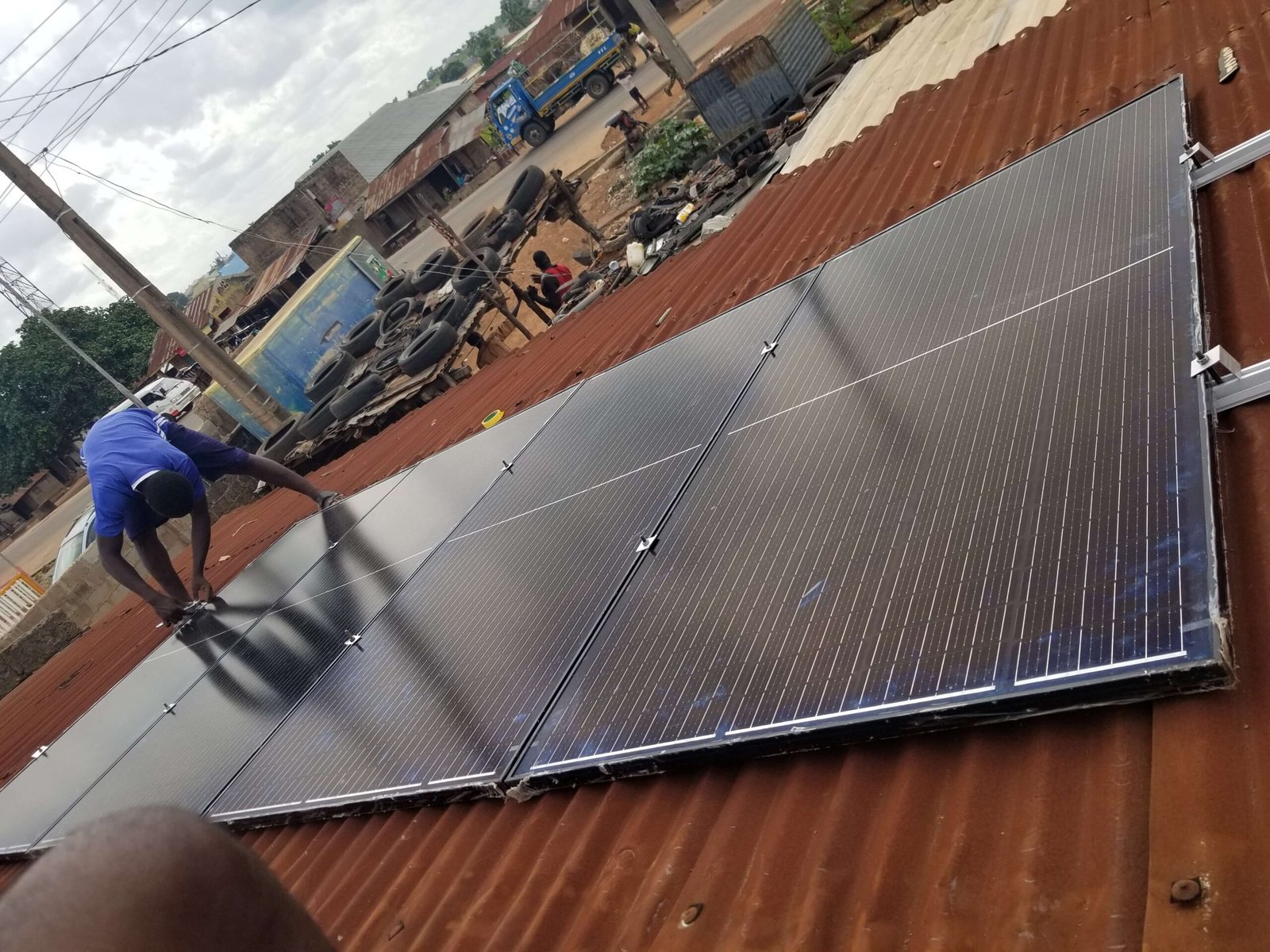
The sweltering heat of Nigeria’s dry season and the constant need for food preservation make air conditioners and freezers essential appliances in most homes and businesses. Yet, with unreliable grid power and rising fuel costs, many Nigerians wonder whether solar energy can realistically handle these power-hungry devices. The question “can solar power AC in Nigeria” has become increasingly common as more people seek sustainable alternatives to generators and unstable grid electricity.
The answer is a resounding yes, but success depends entirely on proper system design, quality components, and understanding your specific energy requirements. Solar technology has advanced significantly, making it not only possible but also economically viable to run air conditioners and freezers entirely on solar power across Nigeria’s diverse climate zones.
Understanding Power Requirements for Major Appliances
Before diving into solar solutions, it’s crucial to understand exactly how much power your appliances consume. This knowledge forms the foundation of any successful solar installation and helps avoid the common mistake of undersizing systems.
Air conditioners represent the highest energy consumers in most Nigerian homes. A typical 1.5 horsepower split unit air conditioner draws between 1,200 and 1,800 watts during operation, depending on the efficiency rating and ambient temperature. However, power consumption isn’t constant throughout the day. AC units cycle on and off based on thermostat settings, and modern inverter units adjust their power draw based on cooling demand.
The actual daily energy consumption depends on several factors including room size, insulation quality, desired temperature settings, and external weather conditions. During Nigeria’s peak dry season months of March and April, when temperatures regularly exceed 35°C, air conditioners may run for 12-16 hours daily in poorly insulated spaces.
Freezers and refrigerators present a different consumption pattern. While their instantaneous power draw is lower, typically ranging from 150 to 500 watts depending on size and efficiency, they operate continuously throughout the day. A medium-sized chest freezer might consume 300-400 watts when the compressor runs, but the compressor typically cycles on for only 6-8 hours out of every 24-hour period.
Understanding these consumption patterns is essential for proper system sizing. Peak power requirements determine inverter capacity, while total daily energy consumption determines battery and panel requirements.
Solar System Components for High-Power Appliances
Running energy-intensive appliances on solar requires careful attention to each system component. The interconnected nature of solar systems means that weakness in any single component can compromise overall performance.
Solar Panel Requirements:
The solar panel array must generate enough daily energy to meet your consumption while accounting for system losses and charging batteries. For a 1.5HP air conditioner running 8 hours daily, you’ll need approximately 12-15 kWh of daily generation. This translates to roughly 3,000-4,000 watts of solar panels under Nigerian sun conditions, assuming 4-5 hours of peak sun daily.
Panel selection also matters significantly. Monocrystalline panels perform better in Nigeria’s high-temperature conditions compared to polycrystalline alternatives. The temperature coefficient becomes crucial when panels regularly operate at 60-70°C during peak afternoon hours.
Inverter Specifications:
The inverter must handle both continuous loads and startup surges. Air conditioners draw 2-3 times their running current during startup, meaning a 1,500-watt AC unit might require 4,000-5,000 watts momentarily. Pure sine wave inverters are essential for sensitive appliances like modern air conditioners with electronic controls.
Inverter efficiency becomes critically important for high-power applications. A 95% efficient inverter versus an 85% efficient unit can mean the difference between successful operation and system failure during peak demand periods.
Battery Bank Design:
Battery capacity must support nighttime and cloudy day operation. For an air conditioner running through the night, you might need 15-20 kWh of usable battery capacity. However, battery chemistry significantly affects real-world performance.
Lithium-ion batteries can safely discharge to 80-90% depth without damage, while lead-acid batteries shouldn’t exceed 50% discharge for longevity. This means a lithium system requires roughly half the rated capacity of a lead-acid system for the same usable energy.
Practical Considerations for Nigerian Conditions
Nigeria’s tropical climate presents unique challenges that affect both energy consumption and system performance. Understanding these factors helps create realistic expectations and proper system designs.
Seasonal Variations:
Energy requirements vary dramatically between seasons. During the dry season, air conditioning loads can be 3-4 times higher than during cooler months. However, this coincides with peak solar generation periods, when clear skies and intense sunlight maximize panel output.
The rainy season presents opposite challenges. Reduced solar generation due to cloudy skies coincides with lower cooling loads but higher humidity. Dehumidification can actually increase energy consumption even when ambient temperatures are moderate.
Geographic Considerations:
Northern states like Kano and Sokoto experience more extreme temperatures but also receive more consistent solar radiation throughout the year. Southern coastal areas like Lagos and Port Harcourt have more moderate temperatures but face greater humidity challenges and more variable weather patterns.
These regional differences significantly impact system sizing. A solar system designed for Lagos might be inadequate in Maiduguri, even for identical appliances, due to different climate demands.
Grid Integration Options:
Many Nigerian solar installations benefit from hybrid designs that can supplement solar with grid power when available. Grid-tie systems with battery backup provide the ultimate flexibility, using solar as the primary source, batteries for backup, and grid power as a final fallback.
This approach allows for smaller battery banks while maintaining reliability. During periods when NEPA power is stable, excess solar generation can even feed back into the grid in areas with net metering policies.
Real-World Performance Examples
Understanding theoretical calculations is important, but real-world performance data provides more practical insights. Several case studies from across Nigeria demonstrate successful solar implementations for high-power appliances.
Lagos Residential Installation:
A 4-bedroom home in Victoria Island successfully operates two 1.5HP air conditioners, a large chest freezer, and standard household appliances using a 6kW solar array with 20kWh of lithium battery storage. The system generates an average of 24kWh daily during dry season and 18kWh during rainy season.
The key to success was proper load management. Air conditioners operate primarily during peak solar hours, with battery power handling evening and early morning cooling needs. The freezer runs continuously but its efficient design minimizes energy consumption.
Abuja Commercial Application:
A small office complex in Wuse successfully eliminated generator dependence using solar to run freezer Nigeria operations for a cold storage business. The 15kW system handles six commercial freezer units plus office air conditioning and equipment.
Critical design elements included oversized battery capacity for nighttime operations and redundant inverter systems to prevent costly spoilage during equipment maintenance. The installation paid for itself within 18 months through eliminated diesel costs.
Kano Agricultural Setup:
A poultry farm near Kano uses solar power to run air conditioning for temperature-sensitive incubation areas plus large-scale refrigeration for vaccine storage. The extreme temperature variations required careful system sizing, but the consistent solar resource provides reliable power generation.
The system includes automated load management that prioritizes critical cooling loads during peak demand periods while deferring non-essential loads to periods of excess generation.
System Design Best Practices
Successful solar installations for high-power appliances require attention to design details that might seem minor but significantly impact performance and reliability.
Load Management Strategies:
Smart load management can dramatically reduce system costs while maintaining comfort and functionality. Timer-controlled systems can shift air conditioning loads to periods of peak solar generation. Thermal mass strategies, like pre-cooling spaces during peak solar hours, extend comfort periods while reducing battery dependence.
Variable speed appliances offer significant advantages over fixed-speed alternatives. Inverter air conditioners adjust cooling output to match demand, reducing average power consumption by 30-40% compared to traditional units. Similarly, variable speed freezer compressors maintain temperature more efficiently while drawing less power.
Redundancy and Reliability:
For critical applications like freezer preservation, redundant systems prevent costly failures. This might include backup inverters, multiple battery strings, or automatic generator start systems for extended cloudy periods.
Monitoring systems provide early warning of potential problems. Remote monitoring can alert users to performance issues before they result in system failures or spoiled food.
Expansion Planning:
Many users start with basic systems and expand over time. Designing initial installations with expansion capability prevents costly system replacements as energy needs grow. This includes oversized electrical panels, additional battery space, and roof mounting systems capable of handling additional panels.
Economic Analysis and Return on Investment
The financial case for solar power becomes compelling when considering total cost of ownership over system lifetime. While initial costs might seem high, operational savings accumulate significantly over time.
Cost Comparison Analysis:
A typical generator-based cooling system consuming 10 liters of diesel daily costs approximately 8,000-12,000 naira monthly in fuel alone, before considering maintenance, replacement costs, and depreciation. This translates to 100,000-150,000 naira annually just for fuel.
A properly sized solar system might cost 3-5 million naira initially but eliminates ongoing fuel costs entirely. With minimal maintenance requirements, the system typically pays for itself within 3-5 years and continues providing free electricity for another 15-20 years.
Financing Options:
Several Nigerian financial institutions now offer solar financing programs that make systems accessible without large upfront payments. Monthly payment plans can actually cost less than current generator operating expenses while providing superior reliability and comfort.
Solar lease programs allow businesses to start using solar immediately with minimal upfront costs. While total costs might be higher over system lifetime, cash flow advantages make this attractive for many applications.
Professional Installation Requirements
The complexity of systems capable of running air conditioners and solar to run freezer in Nigeria applications demands professional design and installation. Improper installations not only perform poorly but can also create safety hazards.
Technical Expertise Requirements:
Proper system sizing requires detailed load analysis, considering not just power consumption but also usage patterns, seasonal variations, and growth projections. Electrical work must comply with Nigerian electrical codes and safety standards.
Component selection involves understanding subtle compatibility issues between different manufacturers’ equipment. Inverter and battery management system communications, charge controller programming, and safety system integration require specialized knowledge.
Quality Assurance:
Professional installations include comprehensive testing and commissioning to verify proper operation before handover. This includes load testing under various conditions, safety system verification, and user training on proper operation and basic maintenance.
Documentation packages should include electrical diagrams, component specifications, warranty information, and maintenance schedules. This information proves invaluable for troubleshooting and future system modifications.
Choosing the Right Service Provider
Success with high-power solar applications depends heavily on working with experienced, qualified installers who understand both the technical requirements and local conditions.
At PA Digital Technologies, we specialize in designing solar systems specifically for Nigeria’s challenging climate and power requirements. Our experience with solar to run air conditioner Nigeria installations ensures proper system sizing and component selection for reliable operation.
Our design process begins with detailed energy audits that identify actual consumption patterns rather than relying on theoretical calculations. This approach prevents both oversizing that wastes money and undersizing that leads to poor performance.
We serve major cities including Lagos, Abuja, Port Harcourt, Ibadan, Kano, and Enugu, with local teams that understand regional climate variations and their impact on system performance. Our installations include comprehensive warranties and ongoing maintenance support to ensure long-term satisfaction.
For immediate consultation on your air conditioning and refrigeration solar needs, contact us at 07068853073. Our engineers can assess your specific requirements and design a system that delivers reliable, cost-effective power for all your essential appliances.
The transition to solar power for high-energy appliances represents not just an environmental choice but a practical solution to Nigeria’s energy challenges. With proper design and professional installation, solar systems can provide the reliable, quiet power needed to maintain comfort and preserve food regardless of grid conditions or fuel availability.